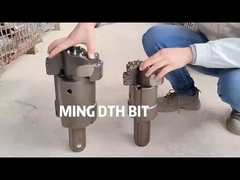
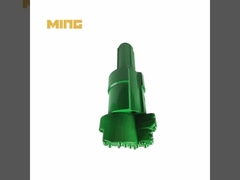
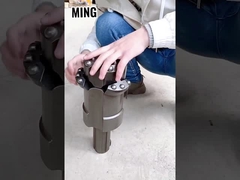
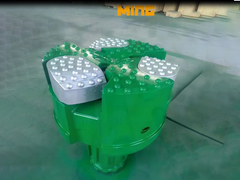
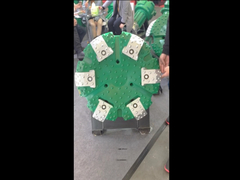
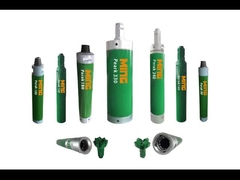
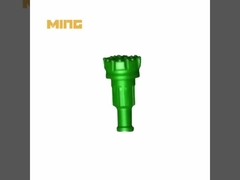
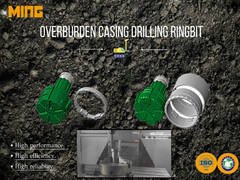
Brief: Discover the 133mm DTH Casing Overburden Drilling System Ring Bit, designed for efficient mining operations. This permanent casing drilling ring bit works seamlessly with the Hammer DHD340 and 133mm OD casing pipes, offering versatility in any ground condition. Learn about its concentric drilling system, retrievable pilot bits, and superior flushing capabilities.
Related Product Features:
Permanent casing drilling ring bit system with retrievable pilot bits for versatile drilling.
Compatible with Hammer DHD340 and 133mm OD casing pipes for seamless integration.
Designed for drilling in any direction and ground condition, ensuring reliability.
Features large internal flushing holes and external flushing grooves for optimal performance.
Includes symmetrical ring bit (reamer) with internal bayonet coupling for precision.
Casing shoe for driving of casing enhances stability and efficiency.
Available in multiple models to suit various drilling requirements.
Easy to order with specifications like casing tube OD & ID, ring bit diameter, and hammer shank.
Faqs:
What is drill casing in mining?
In underground mining, steel casing or steel pipe is used to line holes that have been bored or drilled for rising mains water, utility lines, and paste fill, protecting the contents from damage and loss into open voids or broken ground.
What is the difference between drill pipe and casing?
Drill pipe turns the drill bit to cut into rock until it reaches deposits, while casing pipe is tubing set inside the drilled well to protect and support the well stream.
Where does overburden go during a mining operation?
Overburden is used for reprocessing, contouring land, and as a construction aggregate for buildings and roads. Mine tailings are reused for producing clay, tiles, glass, and concrete.